Device Photos
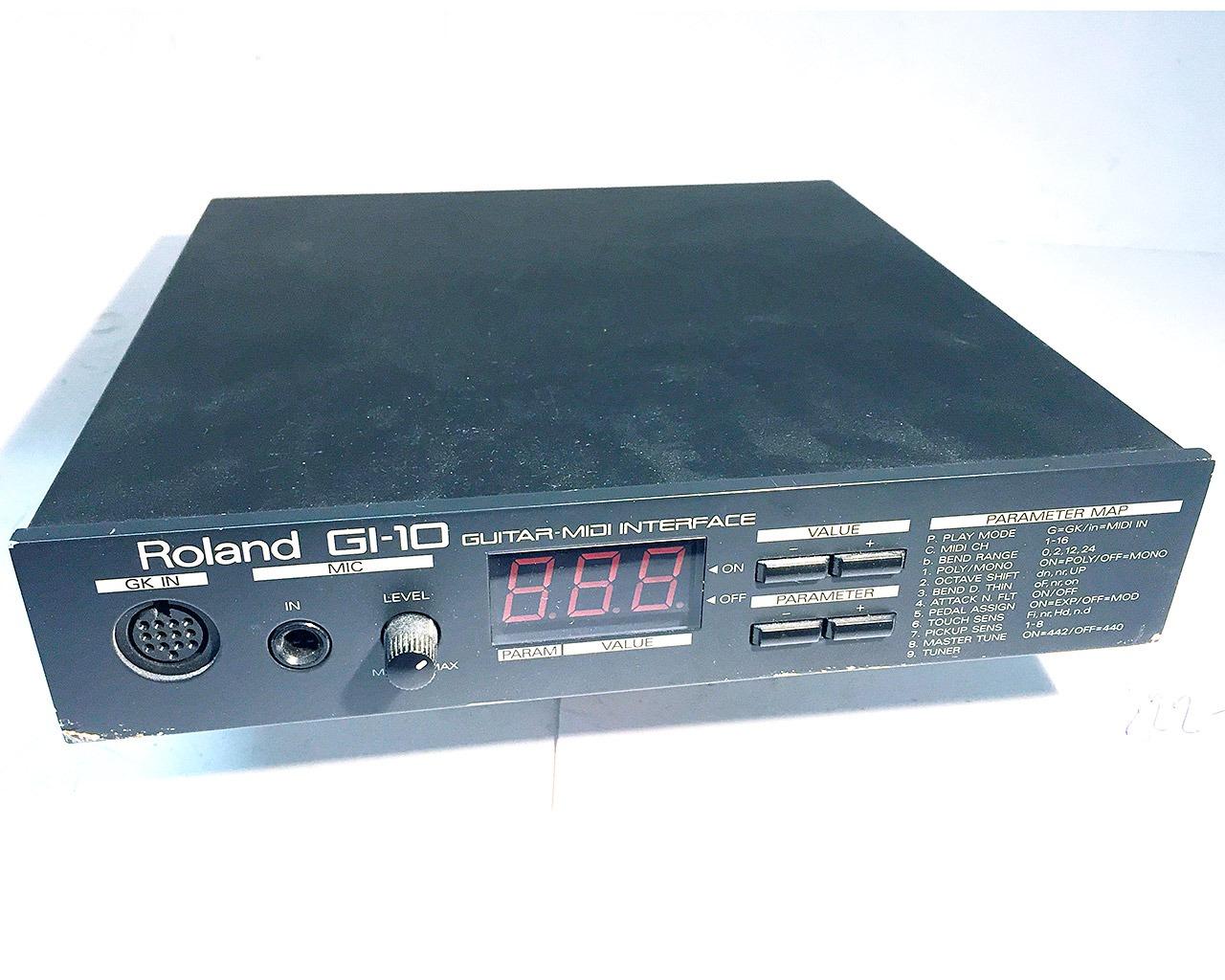
Front
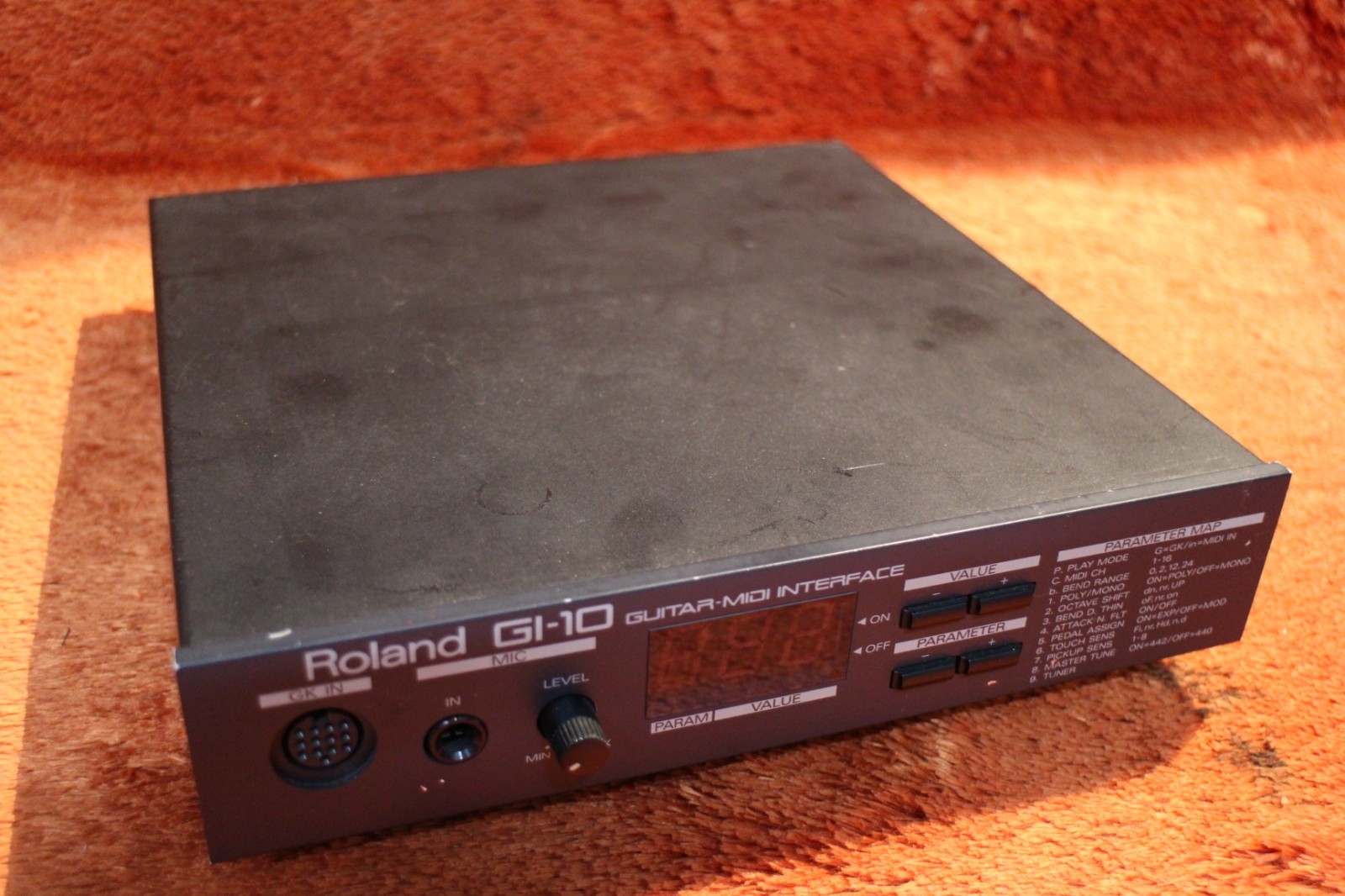
Top
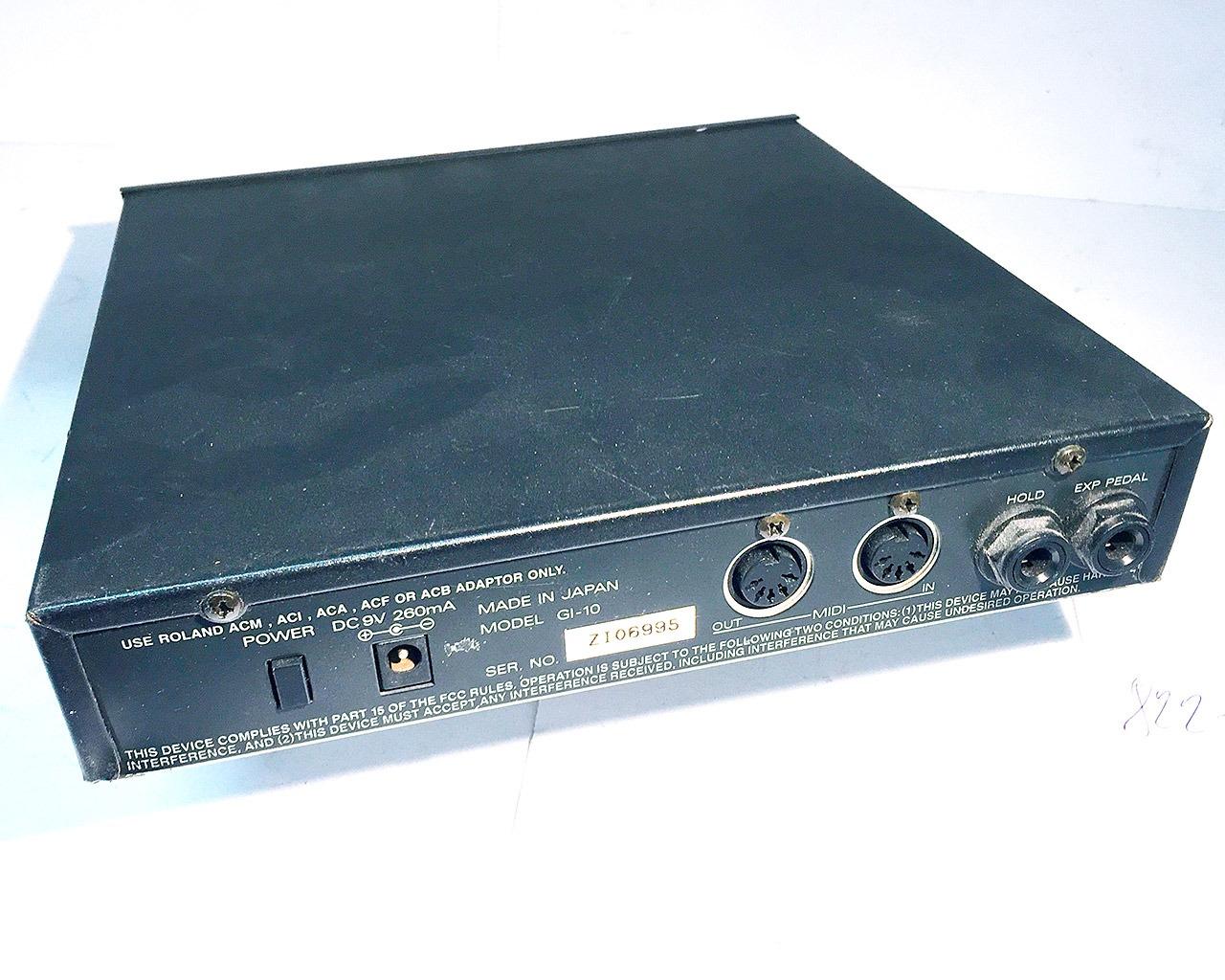
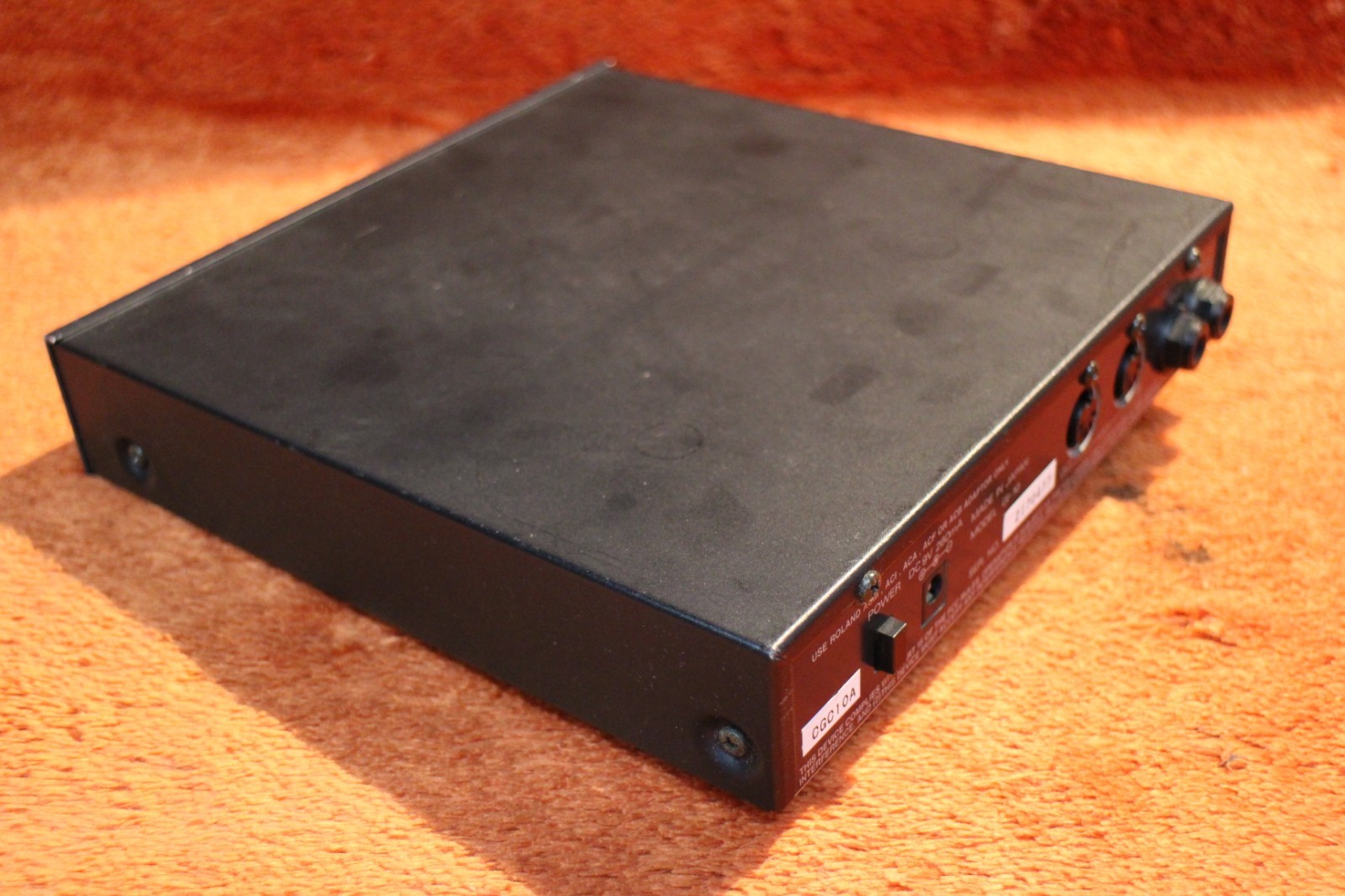
Back
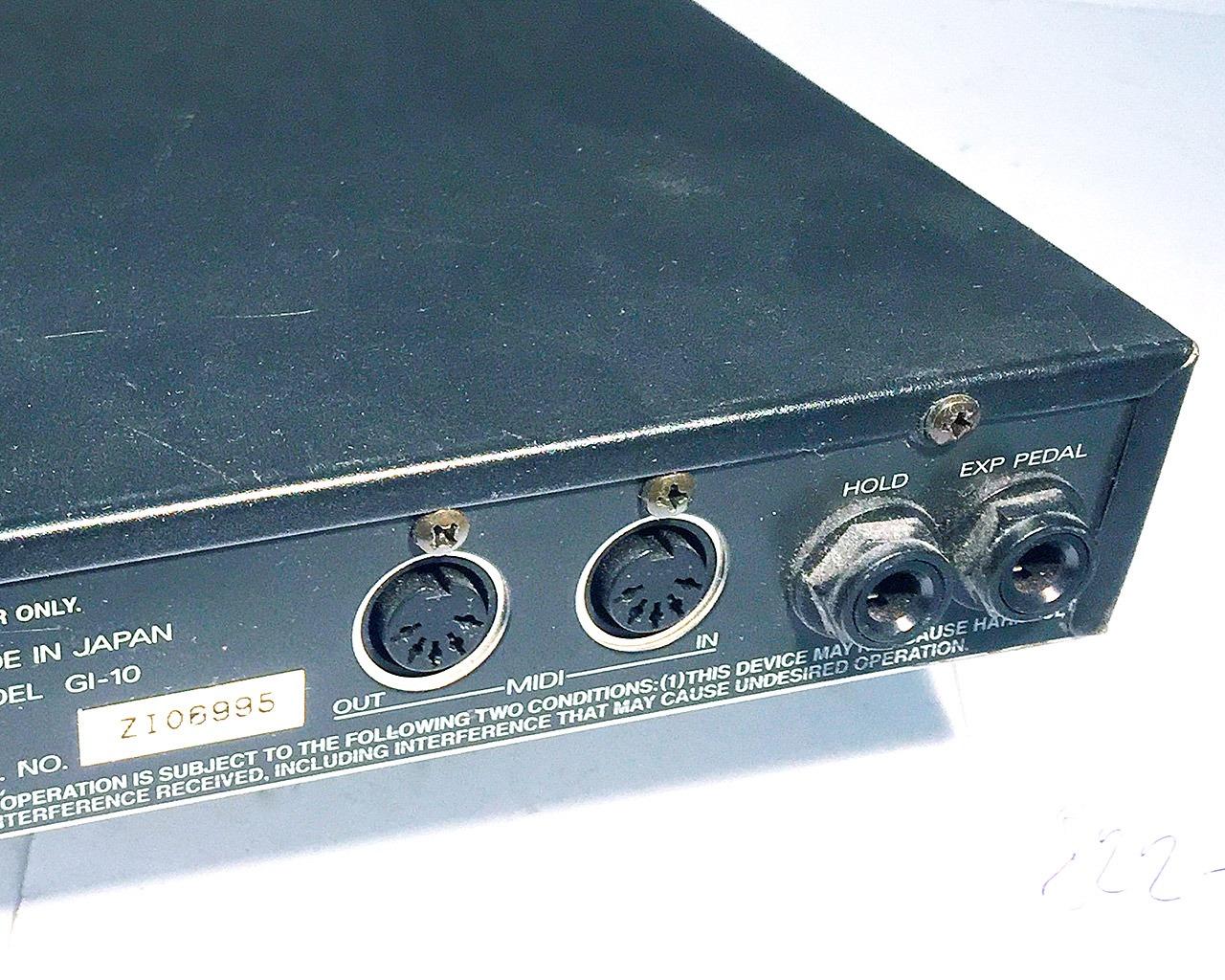
Input/Exit
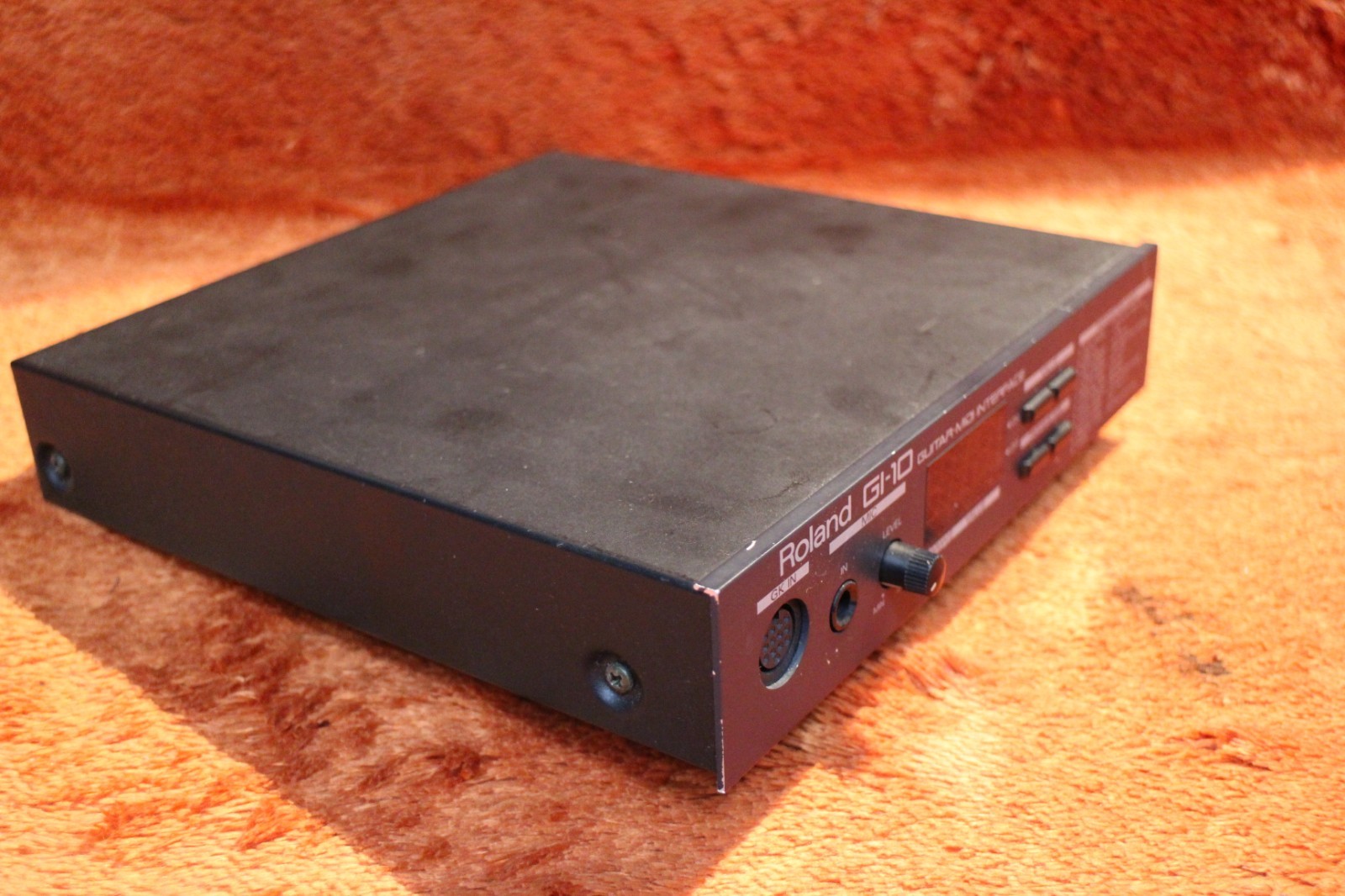
Left Side
Right side
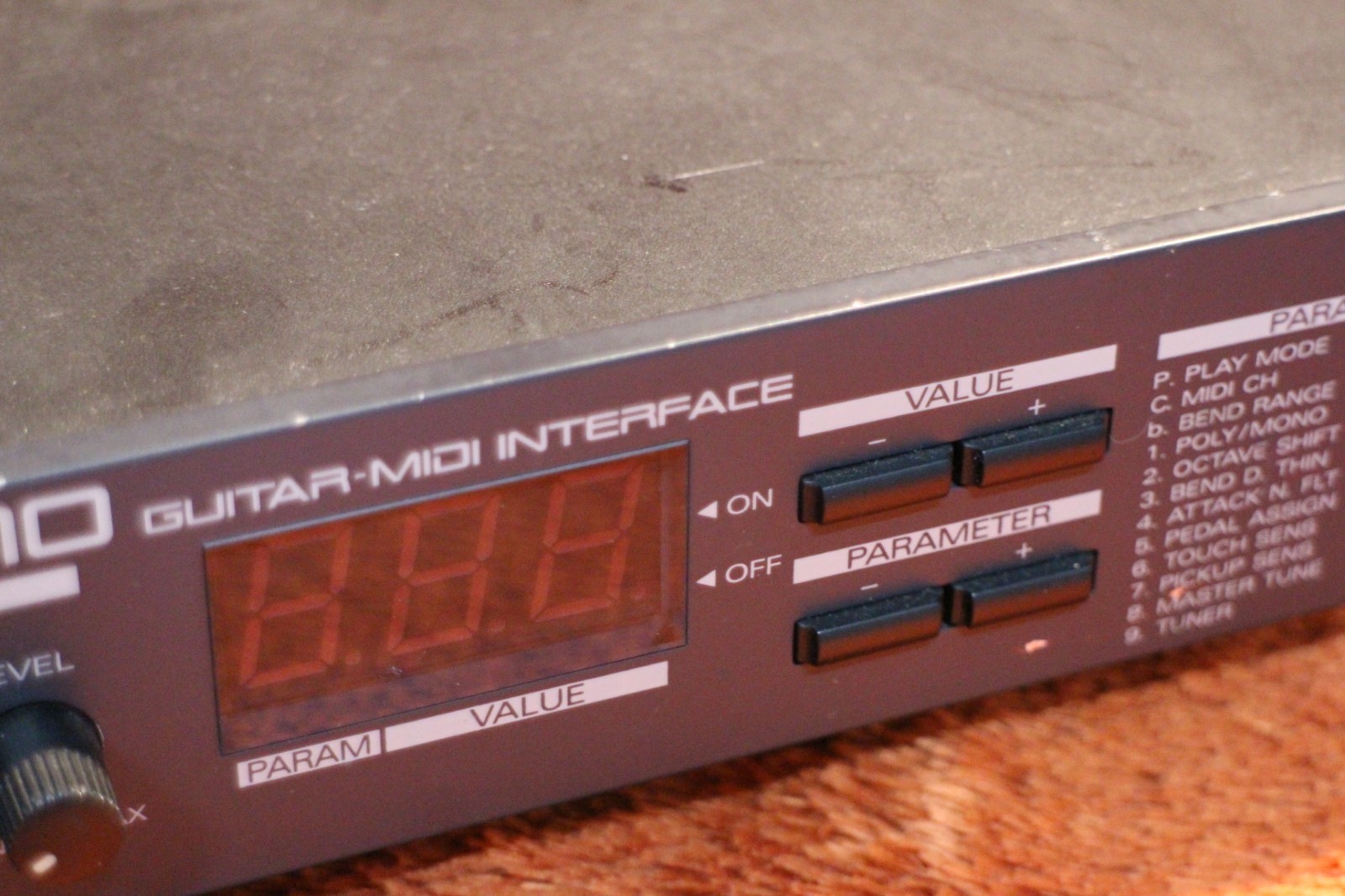
Display
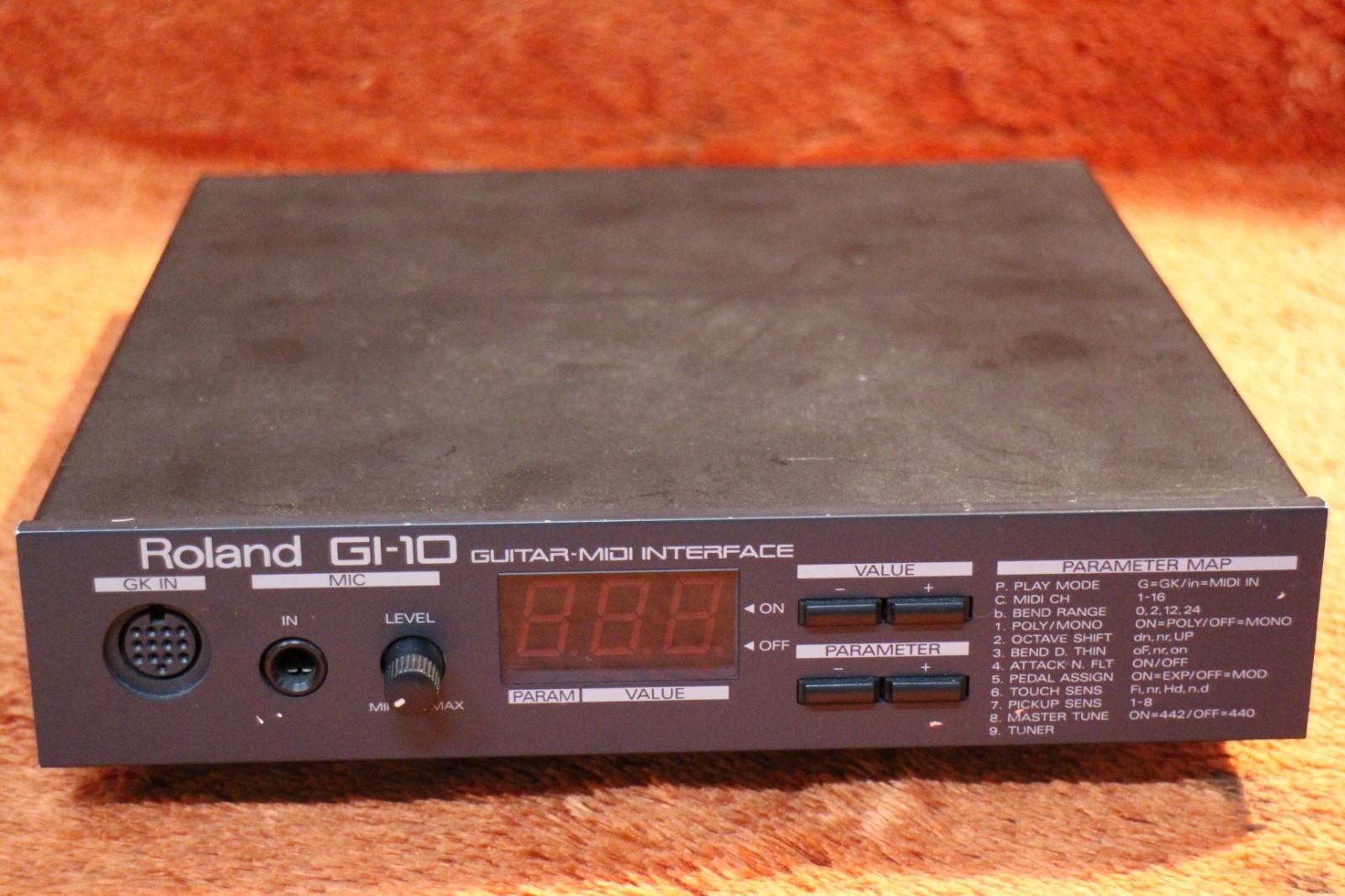
1FRONT
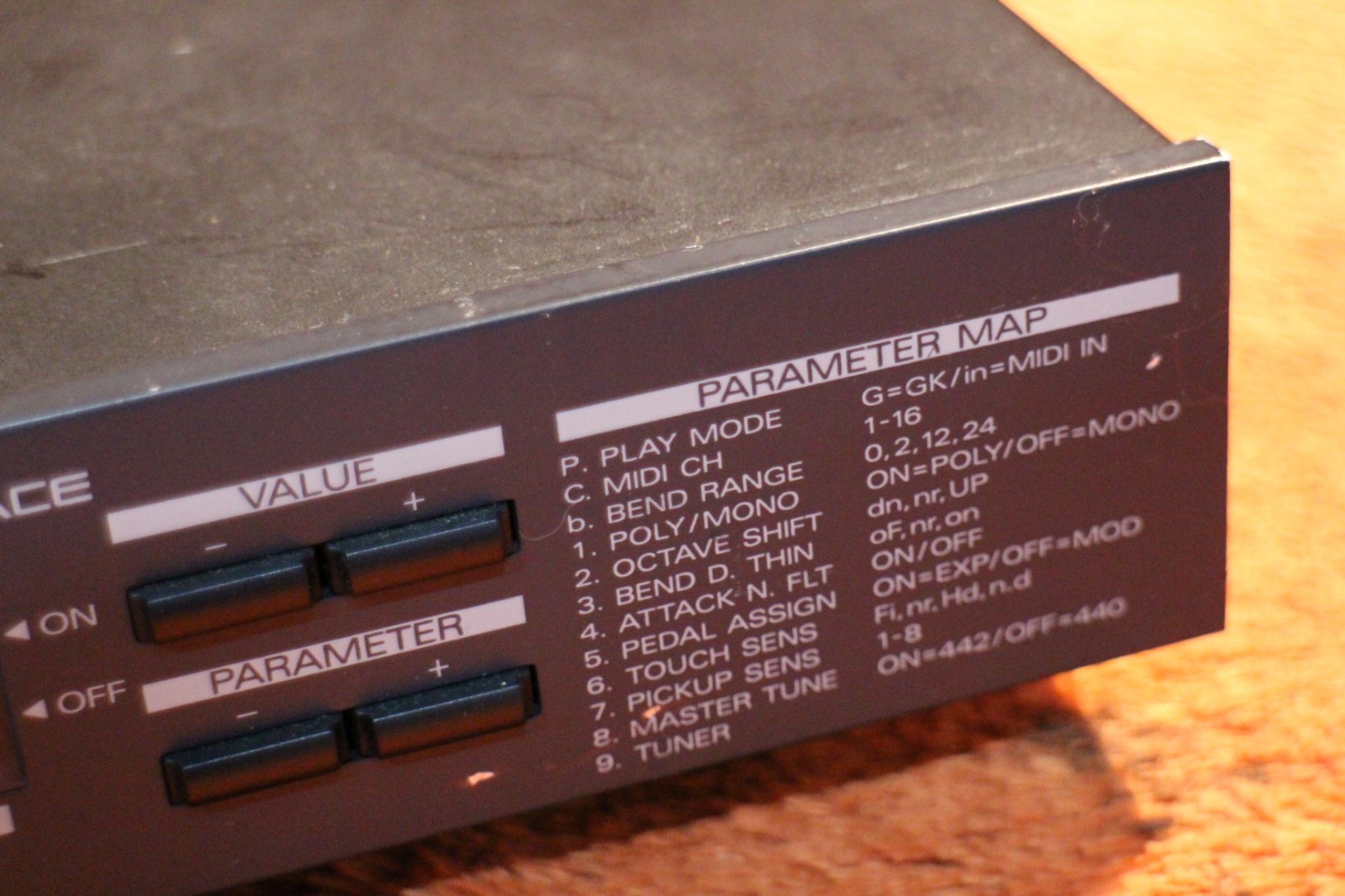
2FRONT
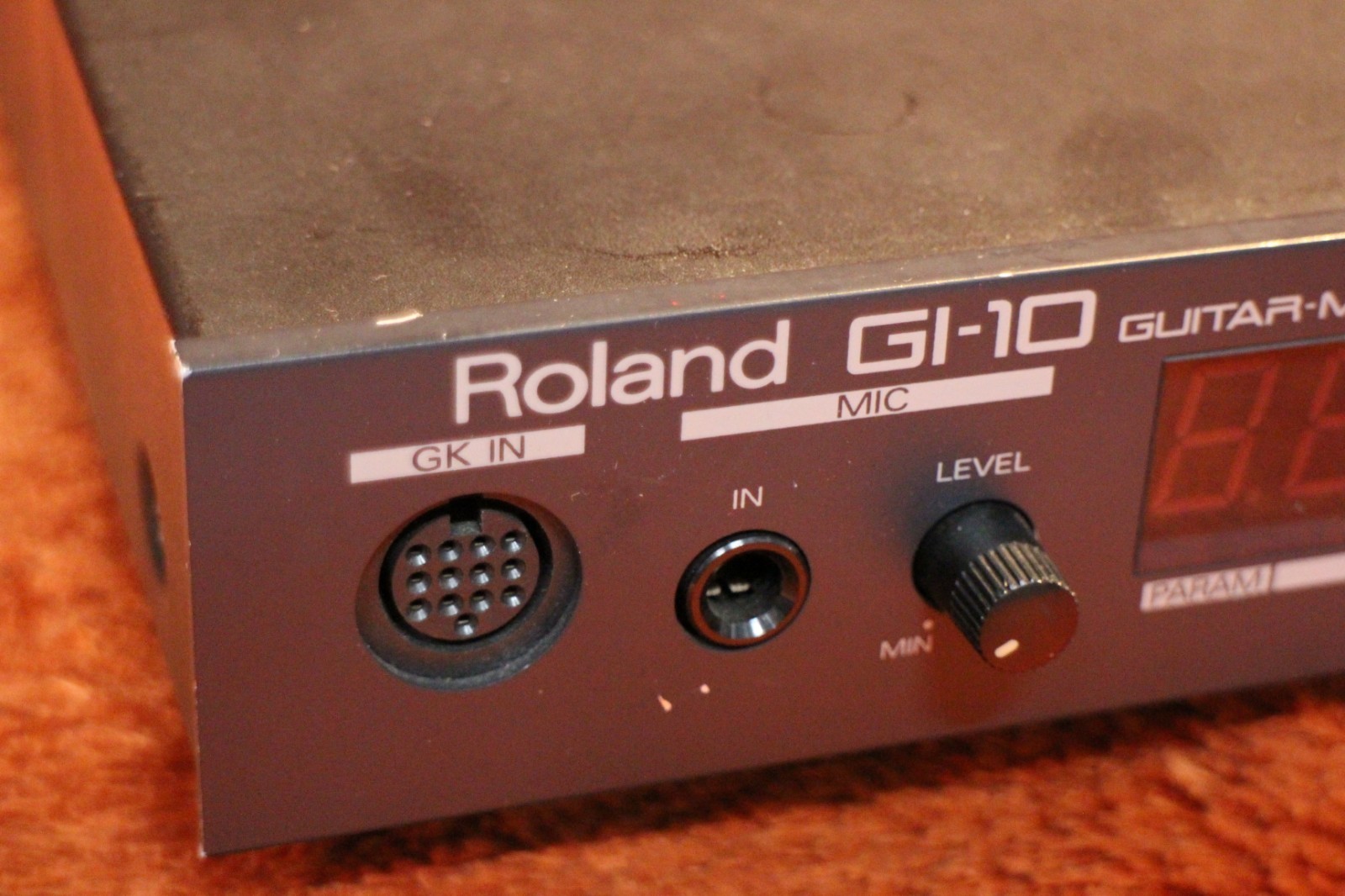
2INOUT
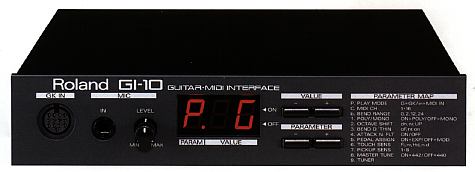
3FRONT
Basic data
Name
Roland GI-10
Category
3) MIDI / control surfaces / utility controllers
Type
GUITAR_TO_MIDI_CONVERTER
Specimen
Unit
Inventory tag
STUDIO: ROLAND-GI-10
Condition
OK
Physical parameters
Dimensions (mm)
217 x 45 x 235 mm
Dimensions (inch)
—
Weight
1.3 kg
Format
Half-rack desktop
Material
metal / plastic enclosure
Manufacturing (Period)
—
Manufacturer
—
Power
Voltage
9V DC
Current (typical)
260 mA
Current (max)
300 mA
Polarity
Not stated
Connector
Barrel (Not mentioned)
AC/DC
DC
Internal/External
External
Note
The use of the original / compatible adapter is recommended; the exact polarity is checked on the label of a particular piece.
Warning: Check the polarity of the source before connecting! Improper power supply will damage the device.
Firmware and serial number
Serial number
FW version (current)
N / A (legacy hardware)
Check date
2026-03-07
Previous version
N/A
Bootloader
N/A
Update Link
N/A
Backup File
N/A
Quick Summary
The Roland GI-10 is a 90s guitar-to-MIDI converter without an internal sound engine. It receives a signal from a GK compatible hex sensor and sends MIDI data to an external module/DAW.
Product Description
GI-10 is a separate converter for guitar players who want to drive MIDI tools without keyboards. The device offers both poly and mono tracking, built-in tuner, a hold switch input and expression pedal and basic editing via a simple panel.
Features and functions
- Guitar-to-MIDI conversion (without internal tone generator)
- 13-pin input for GK compatible hex pickup
- MIDI OUT + MIDI IN (without dedicated MIDI THRU)
- Built-in tuning
- Entry for hold switch
- Entry for expression pedal
- Pitch-bend thinking for smaller MIDI data load
- Attack Noise Filter for the Limitation of Ghost Triggers
- Support of the poly i mono tracking mode
- Mic input for monophone pitch- to-MIDI
Primary I/O (quick orientation)
| Domain | Inputs | Outputs | Note |
|---|---|---|---|
| GK | 13-pin GK pickup input | N/A | Requires compatible hex sensor (e.g. Roland GK-2A). |
| MIDI | DIN MIDI In | DIN MIDI Out | Data from 6 strings are normally mapped on 6 consecutive MIDI channels. |
| Control | Hold switch, Expression pedal, Mic input (mono) | N/A | Mic input is suitable mainly for pure monophone sources. |
Controls
FRONT / TOP (user control)
- Parameter + / - buttons
- Value + / - buttons
- 3-digital LED display
- Build-in tuner controls
Service / hidden elements
- Set pitch- bend range according to target synth (normally 12 semitones for guitar workflow).
- Test sensitivity by strings and attack filter against ghost notes.
- For best tracking play clean and separate notes.
Connectors and connections
Connector matrix
| Interfaces | IN | OUT | Spec / note |
|---|---|---|---|
| GK | 13-pin GK pickup input | N/A | Requires compatible hex sensor (e.g. Roland GK-2A). |
| MIDI | DIN MIDI In | DIN MIDI Out | Data from 6 strings are normally mapped on 6 consecutive MIDI channels. |
| Control | Hold switch, Expression pedal, Mic input (mono) | N/A | Mic input is suitable mainly for pure monophone sources. |
Latency and jitter
Clock sources
N/A
Clock IN/OUT format
MIDI clock when used in MIDI chain
Typical latency
Low tracking latency for clean playing (source-dependent)
Jitter spec
N/A
Buffer support
N/A
Impedance and signal levels
Line Level (dBu)
N/A
Mic In level
Monophonic source input (exact level Not specified)
Output Impedance
N/A
Input Impedance
N/A
THD
N/A
Frequency Range
N/A
Other Specifications (from metadata.specifications)
| Key | Value |
|---|---|
| No other specifications | |
Additional technical details
| Key | Value |
|---|---|
| No additional technical details | |
Typical routing
- GK guitar - > GI-10 - > rack synth: Basic connection for control of external MIDI audio module.
• GK guitar pickup - > GI-10 13-pin input
• GID-10 MIDI OUT - > MIDI IN SYTH MOMENT
• Set 6 consecutive MIDI channels
• Tune sensitivity and pitch- bend range to GI-10
Connection instructions: The examples below show typical signal flows in practice. For specific details (jitter, buffering), see section above.
SW / drivers
| Component | Windows | macOS | Linux | Note |
|---|---|---|---|---|
| No specific driver data; use the Documentation/Links section. | ||||
Custom firmware details
Author
—
FW family
—
Custom FW targets
- No explicit custom FW targets in metadata.
Custom CC mapping
| CC | Meaning |
|---|---|
| No custom CC mapping. | |
Custom FW global settings
| Settings | Meaning |
|---|---|
| No custom global settings. | |
Custom FW extended menu
| Item | Detail |
|---|---|
| No extended menu details. | |
Documentation and manuals
Manufacturer / Links
- Official site of manufacturer
- eBay - search Roland GI-10
- Aukro.cz - search Roland GI-10
- MusicyBazar.cz - search Roland Gi-10
- MIDI.cz - search for Roland GI-10
- Kytary.cz - search for Roland GI-10
- Heureka.cz - search Roland GI -10
- Gear4music.cz - search for Roland Gi-10
- Muziker.cz - search Roland GI-10
Service log
| Date | Event | Who | Note |
|---|---|---|---|
| No records yet. | |||
Presets / User banks
Storage type
Number of banks
Current bank
Backup File
Export format
Note
Notes / service / modifications
- Model without internal synth engine - requires external MIDI tone generator.
- Mic input is practically usable mainly for simple monophone sources.
- Tracking stability depends on the game technique and the purity of the signal from the sensor.