
Autechre
Autechre posouvají elektroniku k systémové abstrakci: skladba jako dynamický proces, kde rytmus a zvuk vznikají z pravidel a modulací. Posluchač často vnímá emergentní struktury spíše než tradiční motivy.
Didakticky jde o ukázku generativního sekvencování: periody, pravděpodobnosti, hierarchie modulací.
Začátky a první nahrávky
Sean Booth a Rob Brown se setkali roku 1987 v manchesterské graffiti a breakdance scéně. Zajímaly je electro, hip hop a acid house; nejprve si vyměňovali kazetové mixy a poté vytvářeli vlastní skladby s dostupnými nástroji, například samplerem Casio a bicími automaty Roland. První dvanáctipalcovou desku vydali jako Lego Feet, jako Autechre se představili singlem „Cavity Job“. Po účasti na kompilaci Artificial Intelligence podepsali smlouvu s Warp Records.
Od Incunabula k abstraktním strukturám
Debut Incunabula (1993) navazoval na techno a electro; Amber (1994) měl klidnější, ambientnější charakter. Anti EP reagovalo na britský návrh zákona, který spojoval rave s opakujícími se beaty. V polovině devadesátých let se dvojice vzdálila tradičnímu klubovému formátu: Tri Repetae, Chiastic Slide a LP5 staví na hutných texturách a nejednoznačném pulzu.
Confield, živé sety a novější alba
Confield (2001) využívá algoritmické a částečně nepředvídatelné struktury; Draft 7.30 a Untilted pracují s ostřejší rytmikou. Pozdější Quaristice, Oversteps a Exai vyvažují abstrakci melodickými motivy a delšími formami. V letech 2014–2018 vydali cykly elseq 1–5 a NTS Sessions, vedle dokumentace koncertních setů AE_LIVE. Alba Sign a Plus vyšly roku 2020.
Nástroje a vliv
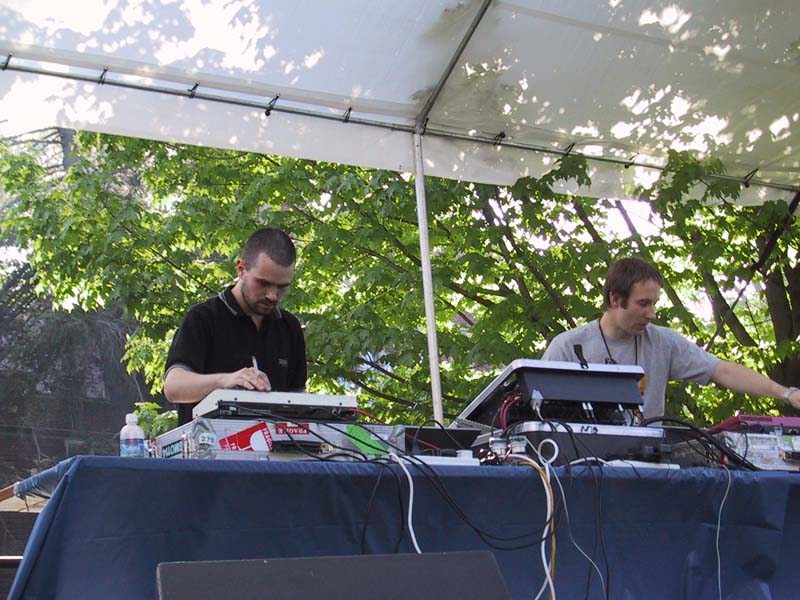
Autechre dlouhodobě pracují s vlastními systémy, modulárními nástroji, samply a algoritmickými postupy. Studiová alba bývají pečlivě konstruovaná, koncertní sety často vznikají v reálném čase a mohou se výrazně lišit od vydaných nahrávek. Jejich vývoj od tanečně čitelných začátků k abstraktním rytmickým systémům ukazuje, jak elektronická hudba může proměnit samotný pojem groove.
Text je přeložené a redakčně zpracované shrnutí hesla anglické Wikipedie. Původní heslo · historie úprav · CC BY-SA 4.0.
Diskografie / Selected works
| Rok | Dílo | Poznámka | Odkaz |
|---|---|---|---|
| 1995 | Tri Repetae | Systemic rhythm | Wikipedia |
| 2001 | Confield | Beat deconstruction | Wikipedia |
Odkazy / Links
Poznámky pod čarou
- Algoritmická kompozice zde znamená pravidla + parametry, nikoli nutně AI. ↩
Autechre push electronic music toward systemic abstraction. A piece becomes a dynamic process in which rhythm and sound emerge from rules and modulation; listeners often perceive emergent structures rather than traditional motifs.
Their work offers a clear example of generative sequencing: periods, probabilities and hierarchies of modulation.
Beginnings and first records
Sean Booth and Rob Brown met in 1987 through Manchester’s graffiti and breakdance scene. They were interested in electro, hip-hop and acid house; first they exchanged cassette mixes, then made tracks with accessible equipment such as a Casio sampler and Roland drum machines. Their first twelve-inch appeared as Lego Feet; their first release as Autechre was “Cavity Job”. After appearing on Artificial Intelligence, they signed to Warp Records.
From Incunabula to abstract structures
The debut Incunabula (1993) remained close to techno and electro, while Amber (1994) was quieter and more ambient. The Anti EP responded to proposed UK legislation associating rave with repetitive beats. By the mid-1990s the duo had moved beyond conventional club forms: Tri Repetae, Chiastic Slide and LP5 build dense textures around ambiguous pulse.
Confield, live sets and later albums
Confield (2001) uses algorithmic and partly unpredictable structures; Draft 7.30 and Untilted foreground sharper rhythms. Later records Quaristice, Oversteps and Exai balance abstraction with melody and longer forms. Between 2014 and 2018 they released elseq 1–5 and NTS Sessions, alongside documentation of AE_LIVE performances. Sign and Plus appeared in 2020.
Tools and influence
Autechre have worked for decades with custom systems, modular instruments, samples and algorithms. Their studio albums are carefully constructed, while live sets are often generated in real time and can differ substantially from released recordings. Their movement from dance-oriented beginnings to abstract rhythmic systems shows how electronic music can transform the very idea of groove.
This is a translated and edited summary of the English Wikipedia article. Original article · revision history · CC BY-SA 4.0.
Selected works
| Year | Work | Notes | Link |
|---|---|---|---|
| 1995 | Tri Repetae | Systemic rhythm | Wikipedia |
| 2001 | Confield | Beat deconstruction | Wikipedia |
References and links
Footnotes
- Algorithmic composition here means rules + parameters, not necessarily AI. ↩