
Wendy Carlos
Wendy Carlos shows synthesis as a translation of canonic music into a new medium. * Switched- On Bach * (1968) represents a cultural breakthrough: the synthesizer becomes a mass-readable tool.
Technically, monophonic overdubbing, cover work and studio craftsmanship are important, which creates articulation and 'musicality'.
Život a vzdělání
Wendy Carlos se narodila roku 1939 na Rhode Islandu. Od šesti let studovala klavír a jako dítě skládala; vedle hudby ji přitahovala fyzika a technologie. Na Brownově univerzitě vystudovala hudbu a fyziku, poté pokračovala ve studiu kompozice na Kolumbijské univerzitě. V New Yorku se zapojila do Columbia–Princeton Electronic Music Center a získala zkušenosti se zvukovým záznamem i technickou stránkou elektronické hudby.
Moogův syntezátor a Switched-On Bach
Ve spolupráci s Robertem Moogem se podílela na vývoji raných Moogových nástrojů a patřila k prvním hudebníkům, kteří jejich možnosti představili širokému publiku. Album Switched-On Bach (1968), na němž realizovala skladby J. S. Bacha na Moogově modulárním syntezátoru, ukázalo, že elektronický nástroj může zvládnout artikulaci i vícehlasou strukturu klasického repertoáru. Nahrávka získala tři ceny Grammy. Na dalších albech, například The Well-Tempered Synthesizer a Sonic Seasonings, rozšiřovala repertoár od barokní hudby k experimentu a ambientním plochám.
Filmová hudba
Pro Stanleyho Kubricka připravila elektronické úpravy a vlastní hudební materiál pro Mechanický pomeranč a Osvícení. Komponovala také pro film Tron (1982), kde spojila syntezátory s orchestrem a sborem. Její soundtracky využívají elektronické barvy jako samostatnou dramatickou složku, nikoli pouze jako efekt.
Identita a odkaz
Carlos veřejně popsala svou genderovou tranzici v roce 1979; její vlastní jméno a identita jsou zde respektovány. V pozdějších letech vydávala méně často a pečlivě dohlížela na remastering i prostorové zvukové verze. Její průkopnická práce pomohla představit syntezátor jako plnohodnotný hudební nástroj a ovlivnila elektronickou hudbu i filmový zvuk.
Text je přeložené a redakčně zpracované shrnutí hesla anglické Wikipedie. Původní heslo · historie úprav · CC BY-SA 4.0.
Discography / Selected works
| Year | Work | Note | Reference |
|---|---|---|---|
| 1968 | Switched- On Bach | Classical + synthesis | Wikipedia |
| 1971 | A Clock Line | Film: synthetic dramaturgy | Wikipedia |
Links
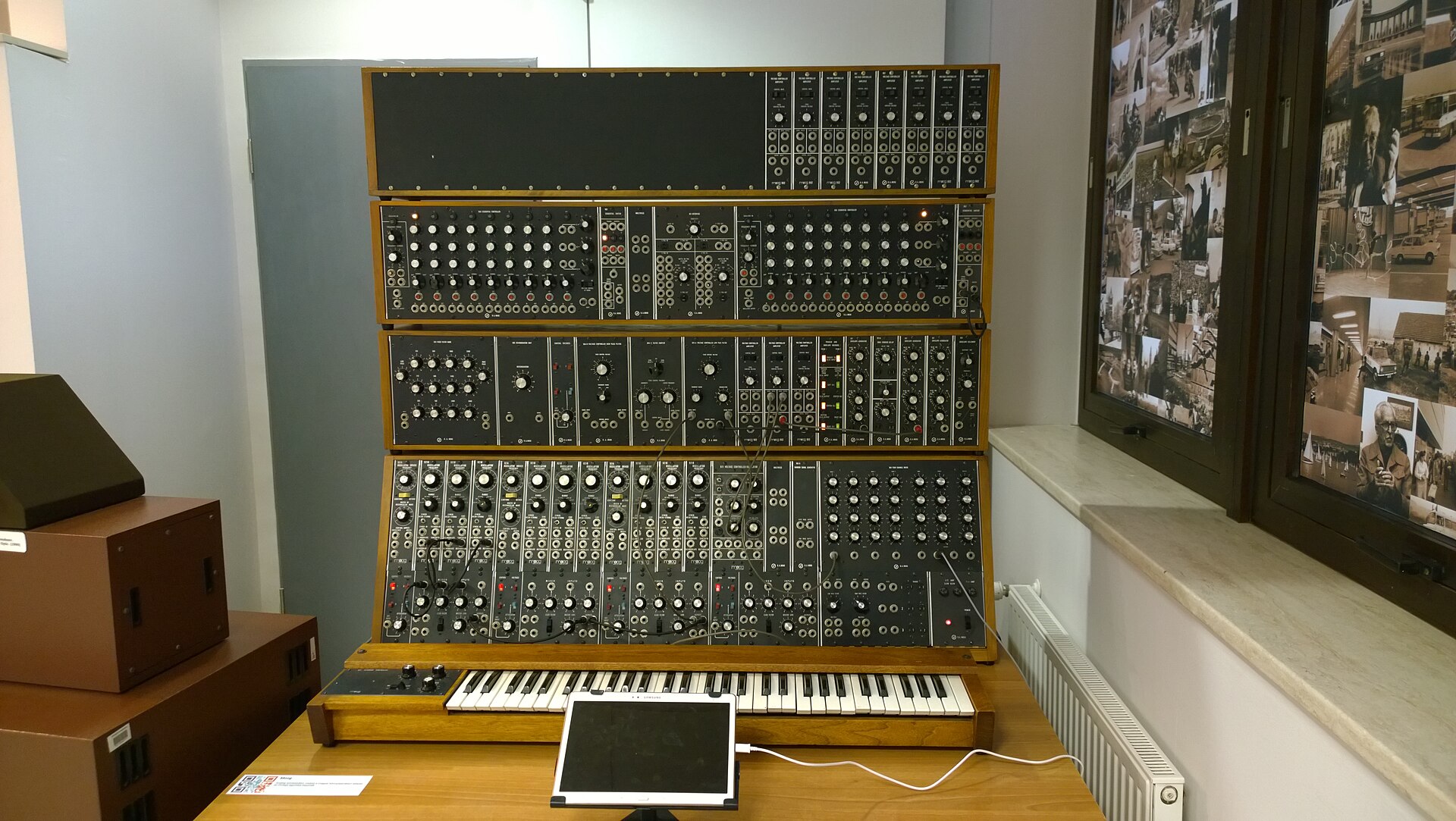
Wendy Carlos shows how synthesis can translate canonical music into a new medium. * Switched- On Bach * (1968) market a cultural turning point: the synthesizer became accessible to a broad audience. Its sound dependent on monophonic overdubbing, enterprise shaping and meticulous studio craft, which supported article and musical phrasing.
Overdubbing was central to early synthesis: polyphones was built by laying separate takes.
Life and education
Wendy Carlos was born in Rhode Island in 1939. She began piano lessons at six and composed as a child; physics and technology interested her alongside music. She studied music and physics at Brown University, then composition at Columbia University. In New York she joined the Columbia–Princeton Electronic Music Center and gained practical experience in recording and electronic-music production.
The Moog synthesizer and Switched-On Bach
Working with Robert Moog, Carlos contributed to the development of early Moog instruments and became one of the first musicians to present their potential to a broad audience. Switched-On Bach (1968), her realisation of J. S. Bach on a Moog modular synthesizer, demonstrated that an electronic instrument could handle the articulation and polyphonic structure of classical repertoire. The record won three Grammy Awards. Later albums such as The Well-Tempered Synthesizer and Sonic Seasonings expanded her work from Baroque music toward experimentation and ambient sound.
Film scores
For Stanley Kubrick, Carlos created electronic transformations and original material for A Clockwork Orange and The Shining. She also scored Tron (1982), combining synthesizers with orchestra and choir. Her soundtracks use electronic timbre as a dramatic element rather than a decorative effect.
Identity and legacy
Carlos publicly discussed her gender transition in 1979; this profile respects the name and identity she uses. In later years she released music less frequently and closely supervised remastering and surround-sound editions. Her pioneering work helped establish the synthesizer as a full musical instrument and influenced electronic music and film sound.
This is a translated and edited summary of the English Wikipedia article. Original article · revision history · CC BY-SA 4.0.
Selected works
| Year | Work | Notes | Link |
|---|---|---|---|
| 1968 | Switched- On Bach | Classical music + synthesis | Wikipedia |
| 1971 | A Clock Line | Film: synthetic dramaturgy | Wikipedia |
References and links
Footnotes
- Overdubbing is central to early synthesis; polyphones emerges via layered takes. ↩