
Jean‑Michel Jarre
Jean-Particle Michel Jarre
Jarre transmits synthesis into mass imaginations: sound and visual spectrum. Electronics are romantic, not cold - melody, texture, space and sequences create modern landscape.
Didactic is Jarre suitable for analysis of layering: sequence (grid), area (pad), lead (hook), effects (space).
Studia a rané experimenty
Jean-Michel Jarre se narodil roku 1948 v Lyonu. Vyrůstal s matkou a prarodiči; vedle klavíru ho formovalo výtvarné umění, jazz a pouliční hudba. V Paříži studoval u Pierra Schaeffera v Groupe de recherches musicales, kde se setkal s musique concrète, magnetofonovým střihem a prací se zvuky prostředí. Tyto zkušenosti spojil se syntezátory a představou elektronické hudby jako velkého veřejného představení.
Oxygène, Équinoxe a koncertní spektákly
Mezinárodní průlom přineslo album Oxygène (1976), nahrané v domácím studiu pomocí analogových syntezátorů, sekvencerů a páskových efektů. Équinoxe (1978) rozvinulo dlouhé instrumentální plochy a pulzující sekvence. Koncert na Place de la Concorde v roce 1979 představil model, který Jarre dále rozvíjel: hudbu spojenou s projekcemi, lasery, světlem a architekturou města.
V roce 1981 koncertoval v Číně; záznam vyšel jako The Concerts in China. Další velká vystoupení následovala v Houstonu (1986), Paříži (1989) a Moskvě (1997). Prostor města se v jeho projektech stává součástí kompozice a publikum součástí události.
Alba a nová média
Jarreho nahrávky zahrnují Les Chants Magnétiques, Zoolook, Rendez-Vous, Chronologie a Métamorphoses. Později se věnoval také internetovým projektům, virtuálním prostředím a spolupracím s hostujícími hudebníky v cyklu Electronica.
Styl a význam
Jarre kombinuje výrazné melodické motivy s opakováním, širokým stereofonním prostorem a vrstvami analogových i digitálních nástrojů. Jeho koncerty pomohly ustavit elektronickou hudbu jako formát pro masové publikum a ukázaly, že technologie, scénografie a kompozice mohou tvořit jeden celek.
Text je přeložené a redakčně zpracované shrnutí hesla anglické Wikipedie. Původní heslo · historie úprav · CC BY-SA 4.0.
Discography / Selected works
| Year | Work | Note | Reference |
|---|---|---|---|
| 1976 | Oxygène | Canonical album | Wikipedia |
| 1978 | Equinoxe | Textures and sequences | Wikipedia |
Links
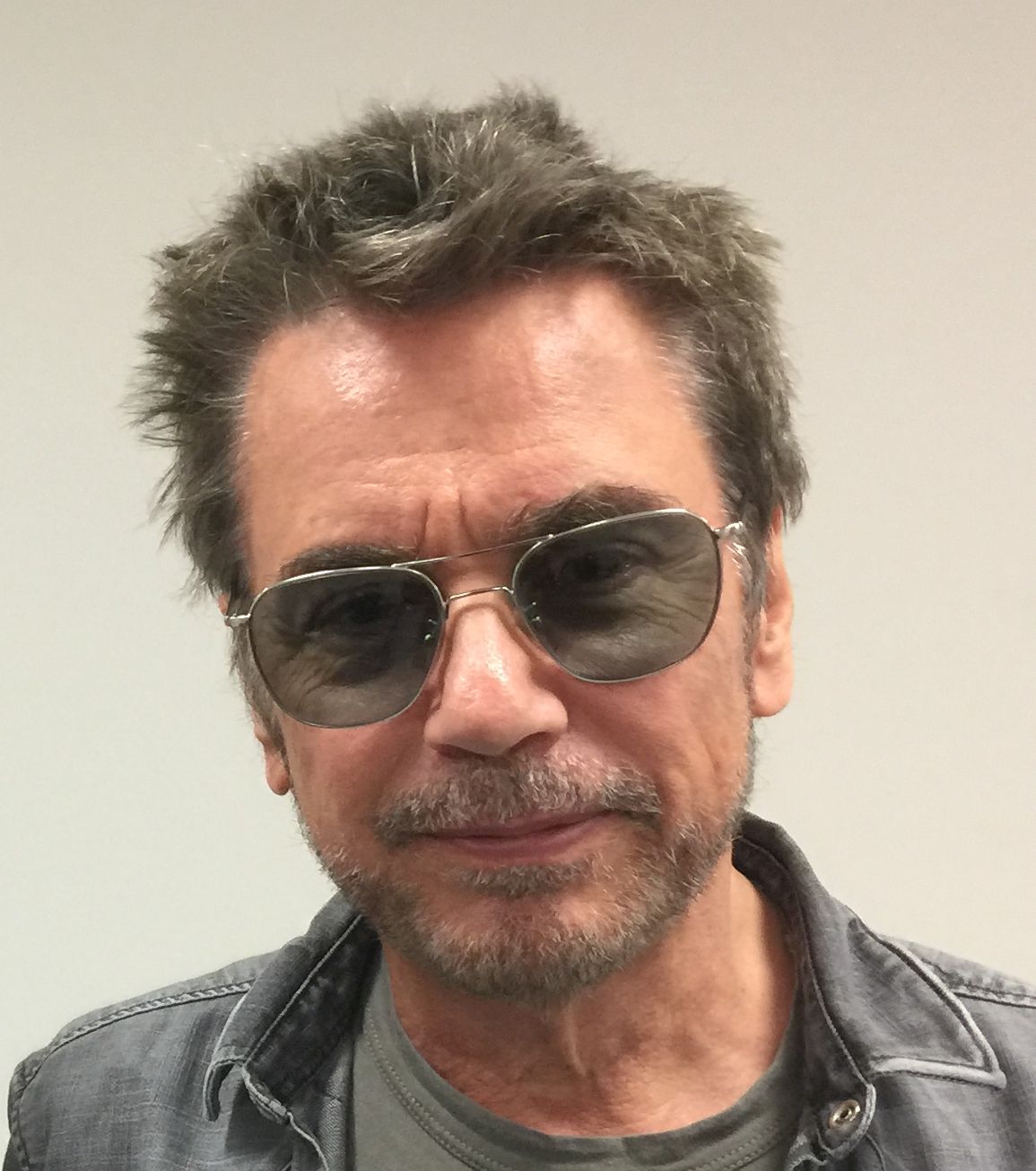
Jean-Particle Michel Jarre
Jean-Michel Jarre brought synthesis into the popular imagination through sound and visual spectacle. His electronics are romantic rather than cold: melody, texture, space and sequences create a modern sonic landscape.
His music is used for analyzing layers: sequence, pad, lead and visible effects.
Education and early experiments
Jean-Michel Jarre was born in Lyon in 1948. Raised by his mother and grandparents, he encountered visual art, jazz and street performance alongside piano. In Paris he studied with Pierre Schaeffer at the Groupe de recherches musicales, exploring musique concrète, tape editing and environmental sound. He combined these experiences with synthesizers and the idea of electronic music as a large public spectacle.
Oxygène, Équinoxe and concert spectacles
Oxygène (1976), recorded in a home studio with analogue synthesizers, sequencers and tape effects, brought international success. Équinoxe (1978) extended its long instrumental forms and pulsing sequences. Jarre’s 1979 concert at Paris’s Place de la Concorde established a model he developed for decades: music joined to projections, lasers, lighting and city architecture.
He performed in China in 1981, with recordings released as The Concerts in China. Major events followed in Houston (1986), Paris (1989) and Moscow (1997). In these projects, the city becomes part of the composition and the audience part of the event.
Albums and new media
Jarre’s records include Les Chants Magnétiques, Zoolook, Rendez-Vous, Chronologie and Métamorphoses. Later projects explored the internet, virtual environments and collaborations with guest musicians in the Electronica cycle.
Style and significance
Jarre combines memorable melodic themes with repetition, expansive stereo space and layers of analogue and digital instruments. His concerts helped establish electronic music as a mass-audience event and showed how technology, stage design and composition could form a single whole.
This is a translated and edited summary of the English Wikipedia article. Original article · revision history · CC BY-SA 4.0.
Selected works
| Year | Work | Notes | Link |
|---|---|---|---|
| 1976 | Oxygène | Canonical album | Wikipedia |
| 1978 | Equinoxe | Textures and sequences | Wikipedia |
References and links
Footnotes
- Spectacle is a media synthesis: sound, light, and space form and unity. ↩